Focus CFS — home

Service

Loose Cargo Handling

Consolidated containers deconsolidated into LCL cargo, stored under inventory control and released for onward transfer.
Loose Cargo Handling

What we handle

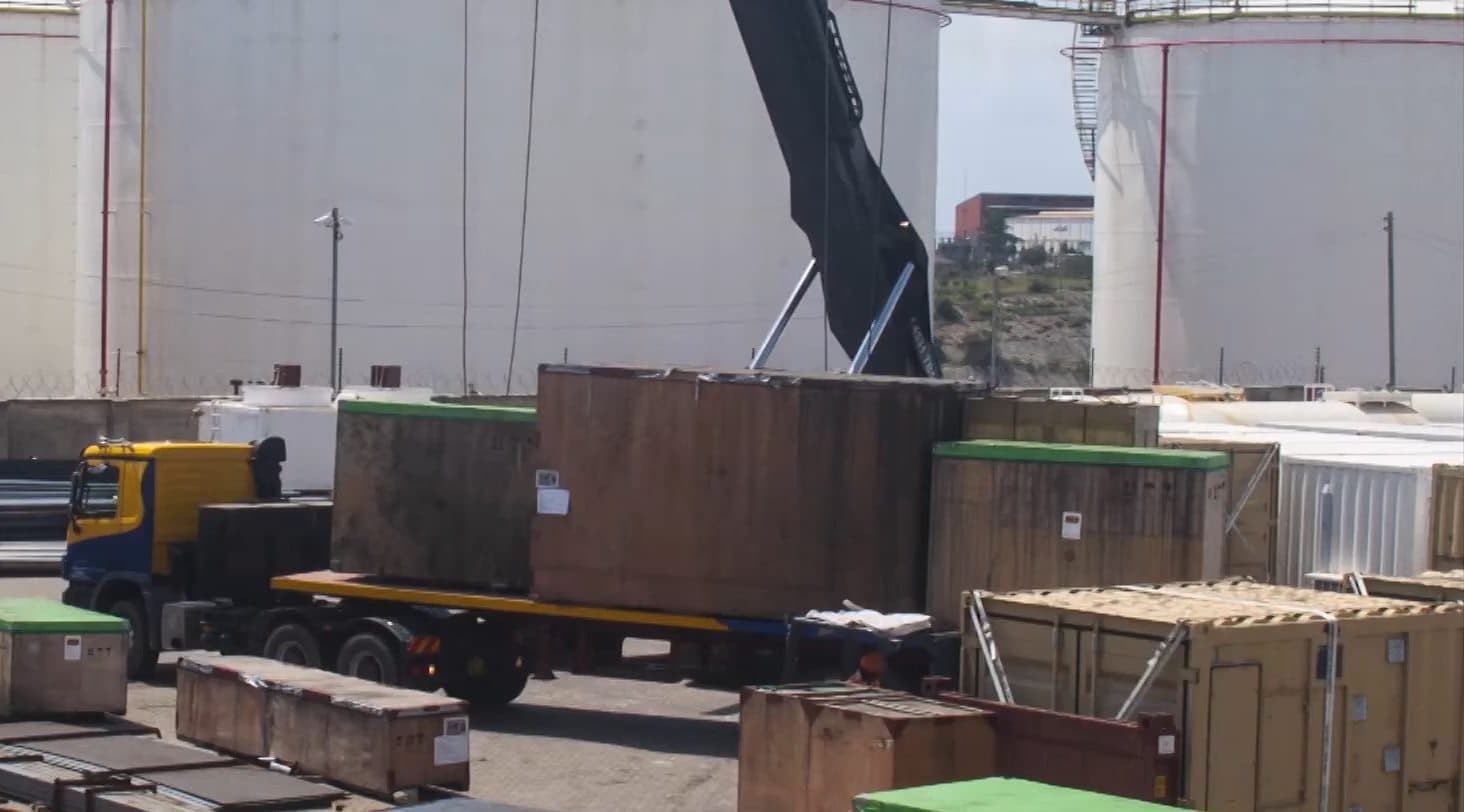
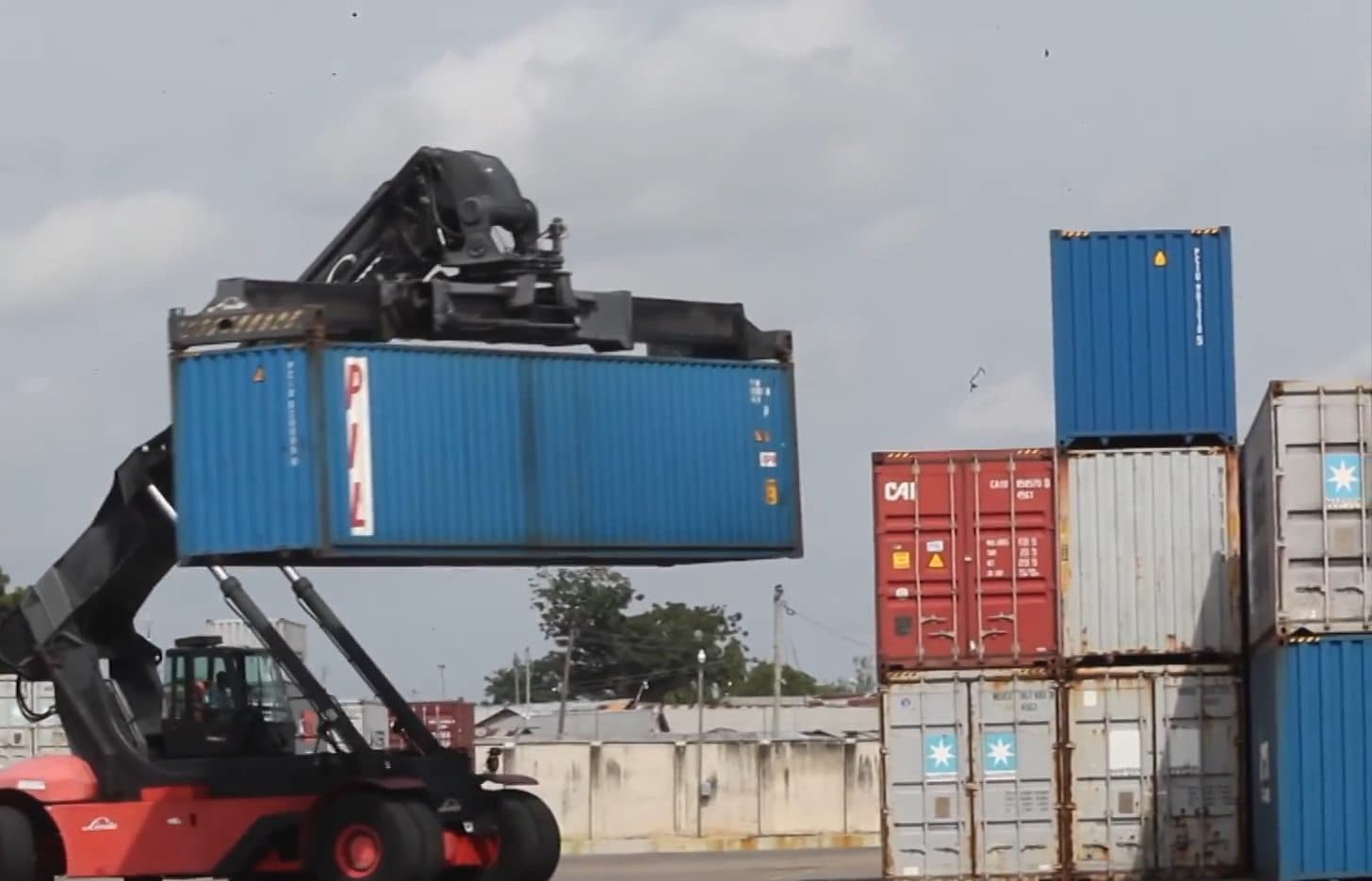
Focus CFS receives consolidated containerised cargo, transfers it from the port to the CFS, and deconsolidates it. Cargo is moved into the Less Container Load area, where a warehouse management system maintains inventory until release.

Documentation for consolidated cargo is undertaken in liaison with the clearing agents acting for each consignee in the container — the practical complication of LCL work, since one container carries many parties with separate paperwork and separate release timing.

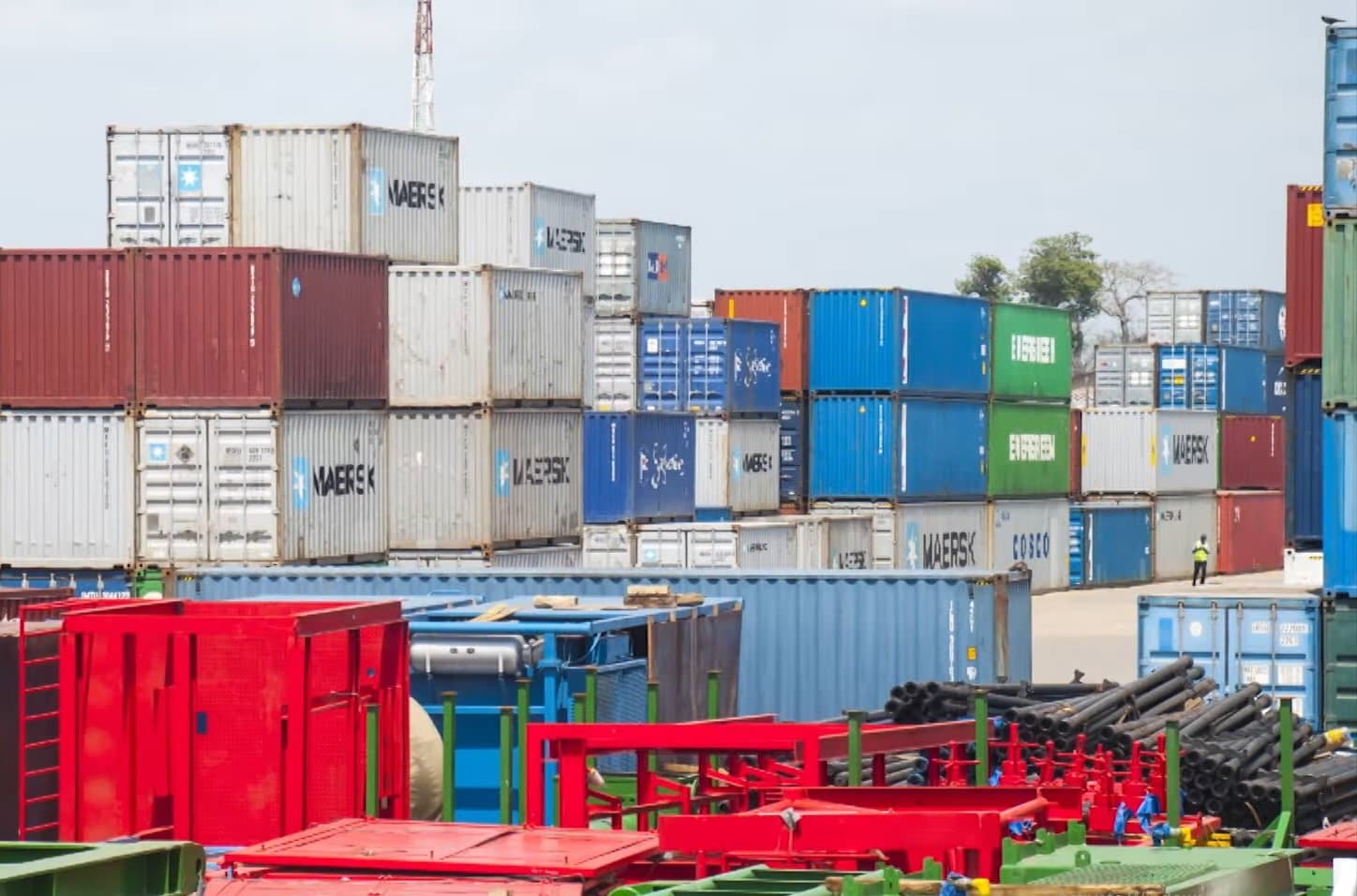
Deconsolidated loose cargo in the Less Container Load area at Focus CFS.

At a glance

Capabilities
6
Process steps
5
Clearance on site
KRA · KEBS · KPS

Capabilities

6 capabilities covered by this service.

What this service includes.

Consolidated cargo receipt

Consolidated containerised cargo is received and transferred from the port to CFS storage.

Deconsolidation

Containers are deconsolidated and cargo transferred to the Less Container Load area.

Agent liaison

Documentation for consolidated cargo is handled in liaison with the clearing agents involved.

Inventory control

A warehouse management system maintains inventory of deconsolidated cargo.

HAZMAT segregation

Hazardous cargo within a consolidation is stored separately per HAZMAT compatibility.

Release for onward transfer

LCL cargo is released to customers for onward transfer to their own warehousing.

Process

How it runs, step by step.

Every stage happens inside the same perimeter, with the agencies that release your cargo already on site.

Receipt of consolidated cargo

Consolidated containers are received and transferred from the port to CFS storage.

Documentation with agents

Documentation is undertaken in liaison with the clearing agents for each consignee.

Deconsolidation

The container is stripped and cargo transferred to the LCL area.

Inventory and verification

Cargo is recorded in the warehouse management system and presented for verification.

Release

Cleared LCL cargo is released for onward transfer to the customer's facility.

On the ground

What delivers it, and how it stays secure.

Infrastructure & equipment

  • Less Container Load handling and storage area
  • Warehouse management system for inventory control
  • Segregated storage for hazardous cargo

How the cargo is protected

  • Deconsolidation takes place inside the secured perimeter
  • CCTV surveillance of handling areas
  • Release only against verified documentation

Good to know

Before you send a truck.

What documents do I need for a gate pass?

The following documents are required, together with an email from your company domain giving the truck details, the driver's name and the driver's ID number:
  • Delivery Order
  • Customs Entry
  • Duty Receipt
  • MPRO (pink copy)
  • Verification Memo
  • Port Pass copy
  • Original Port Pass

Why Focus CFS

Why this cargo is nominated here.

Strategic location

At Kipevu, Changamwe — minutes from the Port of Mombasa, on the road corridor cargo already takes inland.

One-stop clearance

KRA, KEBS and Kenya Police are located within the facility, so verification happens where the cargo is.

Secure operations

A walled and electric-fenced perimeter, manned gates and CCTV surveillance covering cargo movement.

Get started

Moving loose cargo handling?

Send us the details and we will confirm handling, storage and clearance requirements.

Speak to someone directly

+254 020 217 1576
info@focus.co.ke

Pipeline Road, Kipevu, Changamwe, Mombasa, Kenya